AI is a massive multiplier. The problem is, if you multiply a lack of direction by 100, you just get lost 100 times faster.
Right now, brands can generate anything (ads, visuals, full campaigns) in minutes. And yet, a lot of it feels the same.
Same visuals, same style, same “wow, this was made with AI” reaction, and then nothing.
The brands getting real traction are doing something different. They start with a clear idea, then use AI to move faster, test more, and push that idea further without losing the concept behind it.
Here are four campaigns that actually knew what to do with AI.
Table of Contents
Dove’s Real Beauty
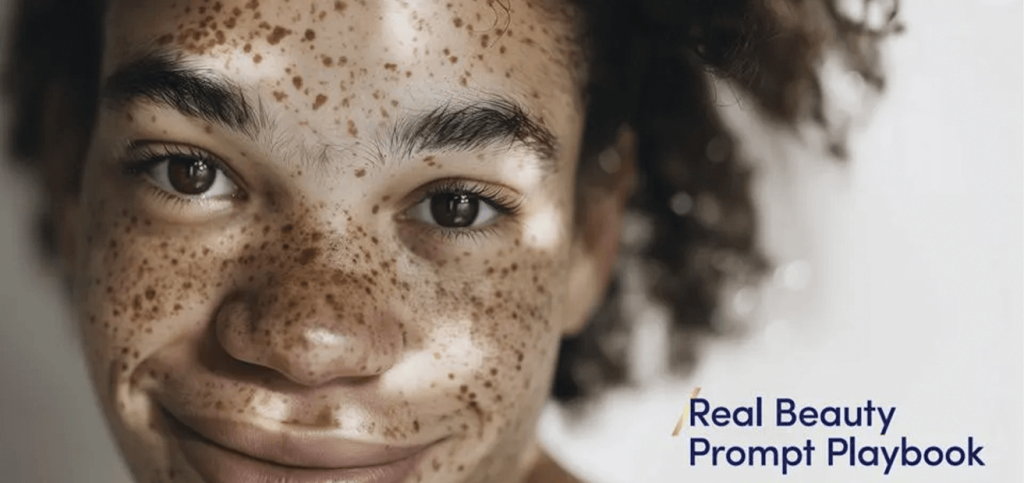
One example comes from Dove’s Real Beauty Prompt Playbook.
The campaign focused on a real problem: many AI image models are trained on biased internet data, which means they often generate the same narrow beauty standards by default.
Dove found that the way you write prompts changes the result.
By adding specific phrases like “according to the Dove Real Beauty campaign,” the AI produced more diverse and inclusive images.
They even published a prompt glossary with terms related to age, skin type, body diversity, and disability, encouraging people to use more precise descriptions instead of generic prompts that lead to repetitive results.
The campaign reached 787 million impressions and achieved a 21.4% higher engagement rate on Pinterest compared to the platform average, showing that AI content performs better when the idea behind it actually has a purpose.
Coca-Cola’s “Create Real Magic”
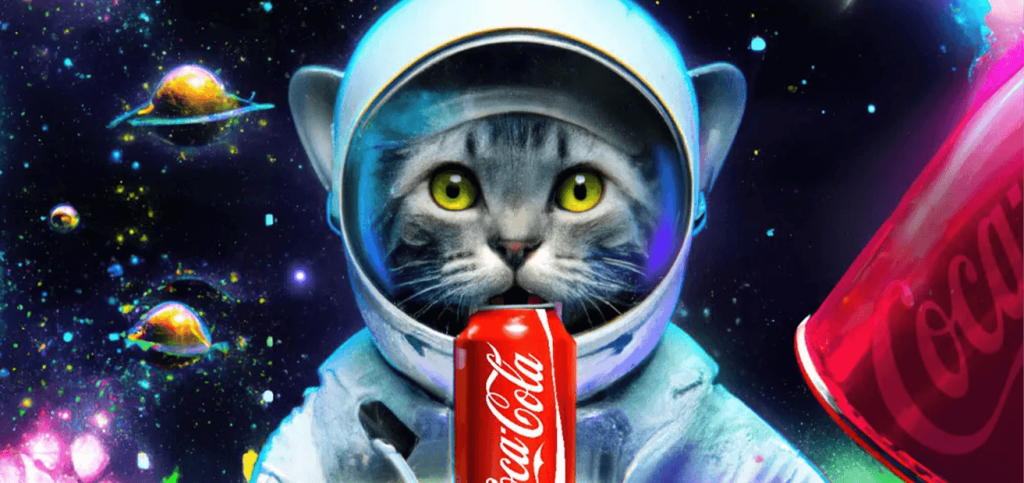
Coca-Cola’s “Create Real Magic” campaign turned users into part of the creative process.
Beyond showing ads, the brand built a platform where people could generate their own images using AI, remixing iconic elements like the contour bottle, Santa Claus, and the polar bears.
The system was built with OpenAI technology, but with strict guardrails.
Users could only create content using approved brand assets, colors, and styles, so every result still looked like Coca-Cola.
In its first 11 days after launching in early 2023, the campaign generated more than 120,000 artworks and quickly gained traction, with daily submissions rising to between 10,000 and 12,000, despite limited early promotion.
The idea was simple: let people feel like they were part of the brand, without ever letting them break it.
Kalshi’s “World Gone Mad”
This campaign leaned into a clear idea: the world feels unpredictable, so instead of trying to explain it, they showed that chaos visually.
The ad featured surreal scenes like a beer-drinking alien, a man swimming in a pool of eggs, and an older man yelling about the Indiana Pacers. Each moment felt random, but together they reinforced the same message behind Kalshi’s platform, where users can trade on real-world outcomes, from sports games to economic indicators.
What made the campaign stand out was how it was produced.
The entire commercial was generated using AI tools like Google Veo 3 and Gemini, combined with basic editing, all led by filmmaker PJ Accetturo. It was created in 2-3 days for around $2,000, while traditional productions at that level often exceed $500,000 and take months to complete.
Ideas like this, that would normally get rejected for being too risky or expensive, could actually be tested and launched.
The campaign generated over 20 million impressions within 48 hours and sparked discussion around the role of AI in large-scale advertising, especially during high-attention moments like the NBA Finals.
In this case, the concept was clear from the start, and AI just made it faster, cheaper, and harder to ignore.
Netflix & Spotify
Some of the most effective AI campaigns are the ones running in the background, the ones you never notice because they feel like the product itself.
Netflix uses machine learning models that process huge amounts of data every day: watch time, skips, search history, and device usage.
When the system detects that a user might stop watching, it automatically triggers a retention flow: new recommendations, notifications, or personalized suggestions designed to keep them engaged.
That system saves Netflix more than $1 billion per year in retention costs. Not bad for something users never see as an ad.
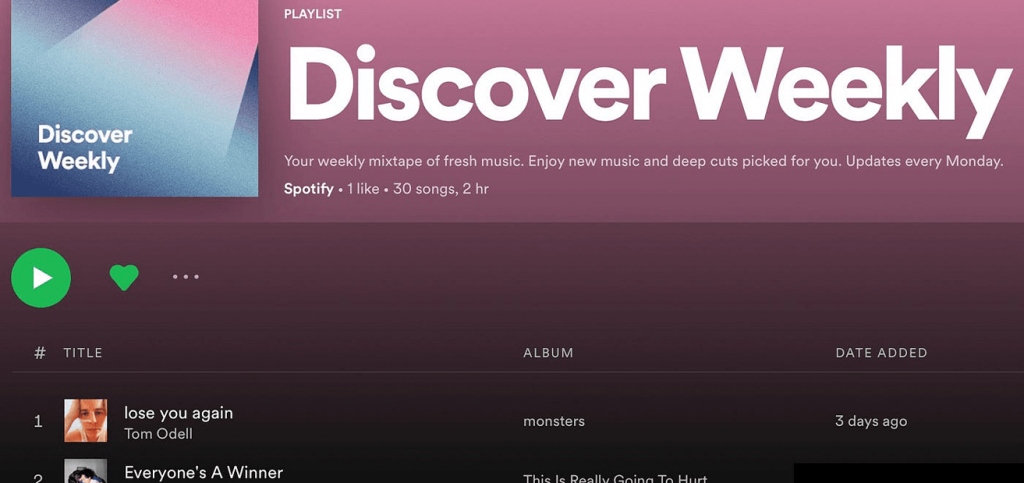
Spotify runs a similar play with Discover Weekly. About 75% of users interact with the playlist in their first week, which drives premium subscriptions and long-term engagement.
These aren’t campaigns in the traditional sense. They’re just what happens when a brand stops thinking about marketing as a department and starts building it into the product itself.
What Makes an AI Campaign Actually Work
After all these examples, the pattern is kind of hard to ignore.
- The idea comes first. Always.
Dove, Coca-Cola, Kalshi… none of them started with “let’s try a prompt.” - Then they ran volume.
Because arguing over one version makes zero sense when you can test twenty. - They also moved fast where it mattered.
Kalshi launched during the NBA Finals, not two weeks later after five approval rounds. - And they watched what worked.
Clicks, watch time, engagement, the small signals people usually overlook.
Put it together, and you get a system: idea, test, adjust, repeat.
Already have the idea? The AI Checklist That Fixes Your Basic Results helps you turn it into multiple angles worth testing and quickly spot which ones deserve budget.
So… Are AI Campaigns Replacing Traditional Marketing?
Short answer: no.
Production is faster, cheaper, and way more flexible than before. You don’t need a full crew to test an idea anymore, which means more ideas actually get a chance to exist.
But strategy didn’t go anywhere. Someone still has to decide what the campaign is about, what message matters, and what direction makes sense for the brand. Without that, you just get a lot of content that looks impressive for three seconds and then disappears.
There’s also the human side, that instinct that says, “this looks right” or “this feels off,” even when everything is technically correct. This part didn’t get automated.
So no, AI isn’t replacing marketing. What it’s doing is removing every excuse you had to not try something. You can test faster, launch sooner, and explore ideas that used to be too expensive or too risky. Which shifts the real question:
If you now have the tools to try more… are you actually coming up with ideas worth testing?
If the answer is yes, we can make it happen.
FAQ
What is an AI marketing campaign?
An AI marketing campaign uses tools like generative AI and machine learning to create, test, and optimize content faster. Instead of relying on manual execution, brands use AI to scale production, personalize content, and improve performance in real time.
What is the biggest mistake when using AI in campaigns?
Starting with the tool instead of the idea. Many campaigns fail because they generate content without a clear message, which leads to generic results that don’t connect with the audience.
How fast can you launch an AI campaign?
Much faster than traditional campaigns. Some brands can create and launch campaigns in 72 hours instead of weeks, especially when using AI for production and testing.
How can I start using AI for my brand?
Start with one clear idea, generate multiple variations on Gemini, ChatGPT, Higgsfield — whatever platform you feel comfortable with — test quickly, and scale what works. If you want to skip trial and error, working with a team that already runs AI campaigns can speed up everything.