The AI revolution is here to stay, and there’s a reason why everyone keeps saying it…
Around 61% of marketers see AI as the biggest industry disruption in the last 20 years. That number alone tells you how things get made, tested, and launched.
And surprisingly, that’s not bad news.
Even the skeptics end up switching once they see the difference between waiting days for decent results and getting high-level output in hours.
Speed is the obvious change, but it’s not the only one.
AI affects everything: metrics, visuals, copy, testing, and iteration. Things that used to take a full week of back-and-forth can now be done in one afternoon without lowering the quality.
This is how AI shifts the rules, making it possible to build campaigns that are almost impossible to ignore.
Table of Contents
What Are AI Marketing Campaigns?
Think of an AI campaign as a traditional marketing campaign with a massive engine upgrade: while generative AI produces high-end visuals and cinematic videos, smart algorithms automatically optimize the strategy behind the scenes.
Instead of a human manually guessing at bids and targeting, systems like Meta’s automated functions or Google’s Performance Max optimize your spend in real-time.
But don’t think humans are just watching what happens.
While automated, AI campaigns still require human supervision to guide strategy, set brand tone, and review AI-generated content for accuracy and brand alignment.
Why Businesses Are Using AI in Marketing
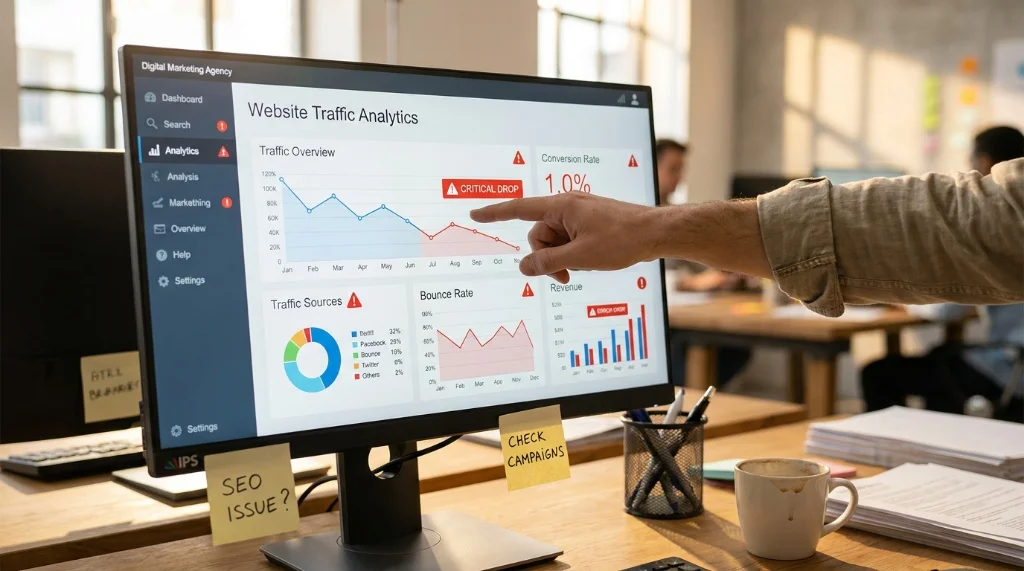
The Drop in Search Traffic Is Real
Search traffic is not what it used to be. Even the results page of Google itself has changed.
AI Overviews are now answering questions before users even click a link.
According to Ahrefs, when AI Overviews appear, the first organic result can lose about 34.5% of its click-through rate, based on an analysis of 300,000 keywords. That’s a serious drop for a position that used to bring steady traffic.
For years, the rule was simple: rank first, get clicks. Now, you can rank first and still get ignored.
That is forcing businesses to rethink how they do marketing online.
If visibility is harder to get, the content has to be faster, sharper, and more consistent just to keep the same results.
AI Saves Time
And that brings up the second reason AI is being adopted so quickly: time.
Research shows that professionals using AI tools save around 11 hours per week on average.
That’s more than a full workday every week that can go back into production, testing, or launching new campaigns.
Those extra hours make a real difference.
More ad variations, more content, faster edits, quicker decisions.
This is why so many businesses are moving toward AI in their marketing workflow: the pressure is higher than before.
And right now, speed is starting to matter as much as creativity.
Benefits of AI Campaigns for Brands
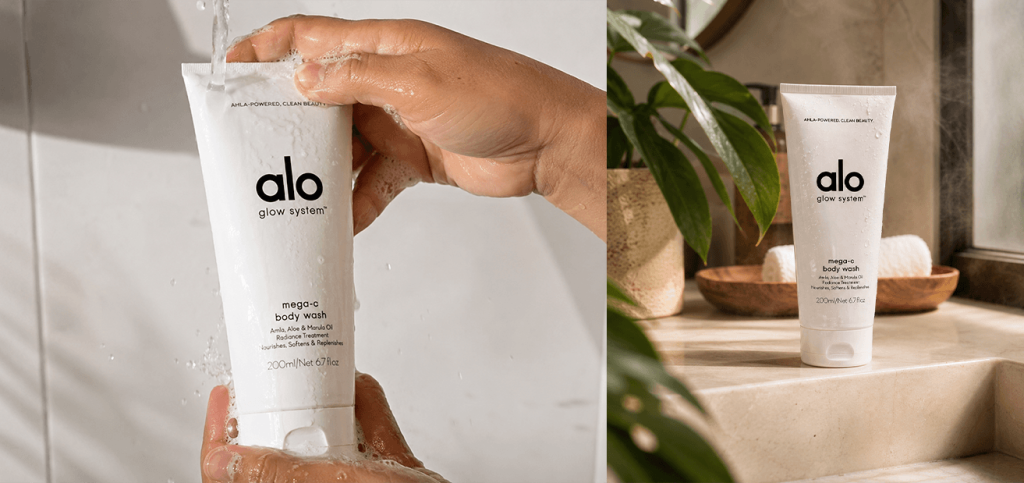
Personalization That Actually Feels Personal
Personalization usually fails because it’s too much work to do manually.
AI changes that by tailoring content for millions of people at once without the internal workflow turning into chaos.
Instead of a brand guessing who might like an offer, the campaign adjusts itself based on timing and past actions.
It makes the message feel intentional and relevant to the person seeing it, which is the only reason people actually respond.
Efficiency That Shows Up in ROI
A massive amount of marketing budget is usually wasted just waiting for reports to come in so a human can adjust the settings.
AI eliminates that delay by handling the data analysis, bidding, and scheduling automatically.
The impact shows up in real numbers.
Starbucks reported around a 30% increase in ROI using its Deep Brew AI system for personalization and decision-making.
When the system can adjust faster than a human team, the performance gap gets very real.
Faster Content Production Without Slowing the Team
Generative AI lets teams create text, images, and video in a fraction of the time it used to take, so you don’t have to spend weeks on a few assets.
Now, a campaign can launch with dozens of variations ready to test at once.
This shifts the focus from “how do we make this?” to “what should we try next?”
It allows brands to learn what works, optimize the message, and scale the best ideas without being held back by a slow production cycle.
This is exactly the approach behind our Design on Demand service, where AI speed and creative expertise work together to deliver content in days, not weeks.
Real-Time Optimization and Smarter Decisions
One of the biggest changes AI brings is that campaigns no longer have to wait for the end of the week to see what worked.
AI-driven systems monitor performance constantly, shifting budgets and targeting while the campaign is still live. It prevents small mistakes from turning into expensive failures.
For a brand, this means the campaign is actually improving every hour it’s running, rather than just waiting for a post-mortem meeting to figure out the next move.
Types of AI Campaigns Companies Run Today
Generative Purpose-Driven Campaigns
AI is used to generate content, but not randomly.
The output is guided by a clear idea of what the brand wants to push, so every image, line, or variation still points in the same direction.
The result is a high volume of visuals and copy that still stay on message.
This allows massive testing and reach without the usual risk of the brand’s voice getting watered down as the project scales.
Participatory & Co-Creation Campaigns
This approach shifts the brand from being the sole creator to being a platform.
By providing AI tools, the audience is invited to remix and generate their own versions of the campaign.
The result is a self-sustaining loop where the content grows naturally through user interaction.
The value here isn’t just the initial ad, but the actual time and attention people give to the brand while they build something themselves.
Predictive Retention Campaigns
Still guessing what users want is old school. Right now, campaigns let AI read the signals and react before the user even notices they’re losing interest.
Behavior, timing, preferences, patterns, everything gets analyzed, and the system adjusts automatically.
For the brand, the outcome is simple: fewer people leave, more people stay, and the experience feels surprisingly personal without needing a human behind every decision.
Challenges and Limitations of AI in Campaigns
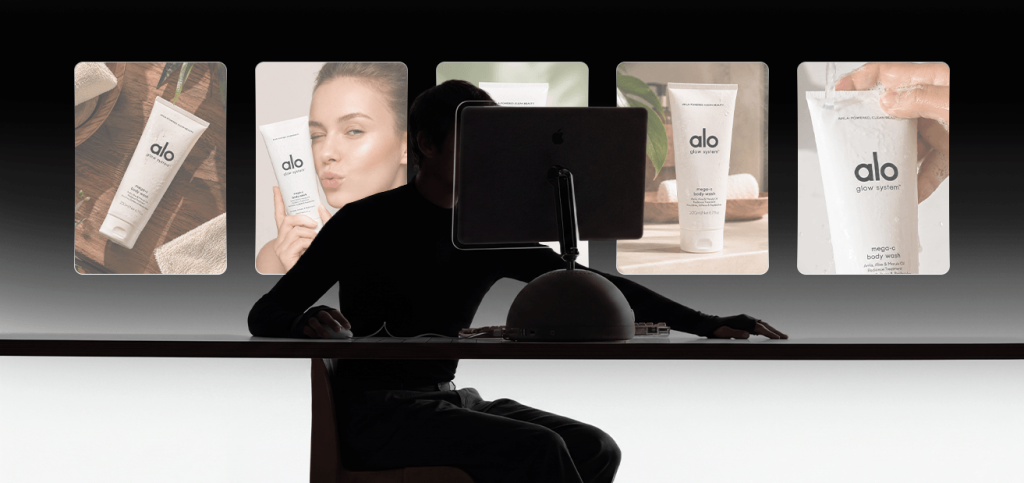
AI can make campaigns faster, smarter, and more scalable, but it is not perfect.
Like any tool, the results depend on how it’s used, what data it receives, and who is guiding the strategy behind it.
One common issue is data quality.
AI systems learn from the information they are given, so if the data is incomplete, outdated, or biased, the campaign will optimize in the wrong direction.
Bad tracking setups send the wrong signals, small datasets create weak predictions, and biased data leads to biased targeting.
This is one of the main reasons AI campaigns fail in companies that don’t have a solid analytics foundation.
There are also legal and ethical risks to consider.
AI-generated content can sometimes resemble existing material too closely, which may create copyright problems or intellectual property conflicts.
Automated targeting and content generation can also lead to messaging errors, unsafe ad placements, or outputs that don’t match the brand’s tone.
Without supervision, speed can create mistakes just as fast as it creates results. And despite the hype, the biggest limitation is still human.
That’s what separates output from actual results.
AI does not replace experience, taste, or judgment. The strongest campaigns today use AI for execution, but rely on people for direction, creativity, and final decisions.
In practice, the best results usually come from the same combination: AI for speed, humans for strategy, humans for creativity, and humans for control.
The good news is that most of these problems are not permanent limits.
With proper tracking, clear guidelines, strong data, and real oversight, the risks can be reduced, and the advantages of AI start to outweigh the drawbacks.
For companies willing to set the right foundation, AI stops being unpredictable and becomes one of the most reliable tools in the campaign process.
Before you run your next AI campaign…
We put together a short guide with 6 common mistakes we see when brands try to run AI campaigns without the right system.
AI Campaigns Are Not The Future Anymore
Brands are making AI campaigns as the new standard to move faster, test more, personalize at scale, and react in real time in ways that were impossible a few years ago.
When traffic is harder to get, attention is shorter, and competition is higher, working the old way simply isn’t enough.
The companies getting the best results are the ones combining automation with clear strategy, good data, and human judgment.
AI can generate, optimize, and predict, but it still needs direction. Without that, speed just creates mistakes that cost more later.
What we’re seeing now is not the replacement of marketing teams, but a shift in how campaigns are built:
There’s less busywork and less guessing, because campaigns don’t have to pause anymore to figure out what to do next.
The brands that adapt to this are scaling faster, learning faster, and spending their budgets more efficiently.
The ones that don’t are starting to notice that the gap keeps growing.
Which side do you want to be on?
FAQs
Are AI campaigns better than traditional marketing campaigns?
AI campaigns are usually faster and more data-driven than traditional campaigns. They allow brands to test more variations, personalize content at scale, and optimize performance automatically, but they still require human strategy and supervision.
Can AI replace marketers in advertising campaigns?
No. AI can automate production, testing, and optimization, but strategy, creativity, and brand direction still require human decisions. The most effective campaigns today combine AI execution with human planning.
What popular companies are using AI in marketing campaigns?
Companies like Netflix, Spotify, Coca-Cola, Starbucks, and Meta use AI to personalize content, optimize ads, and predict user behavior to improve engagement and retention.
Do small businesses need AI for marketing?
AI tools allow small businesses to automate tasks, create content faster, and optimize ads without needing a large marketing team, making it easier to compete with bigger brands.