

There is a dangerous illusion in the modern hospitality industry. A restaurant manager looks at an Instagram Reel that just hit 50,000 views and assumes their marketing is working flawlessly. But when Friday night rolls around, the dining room is half-empty.
What went wrong?
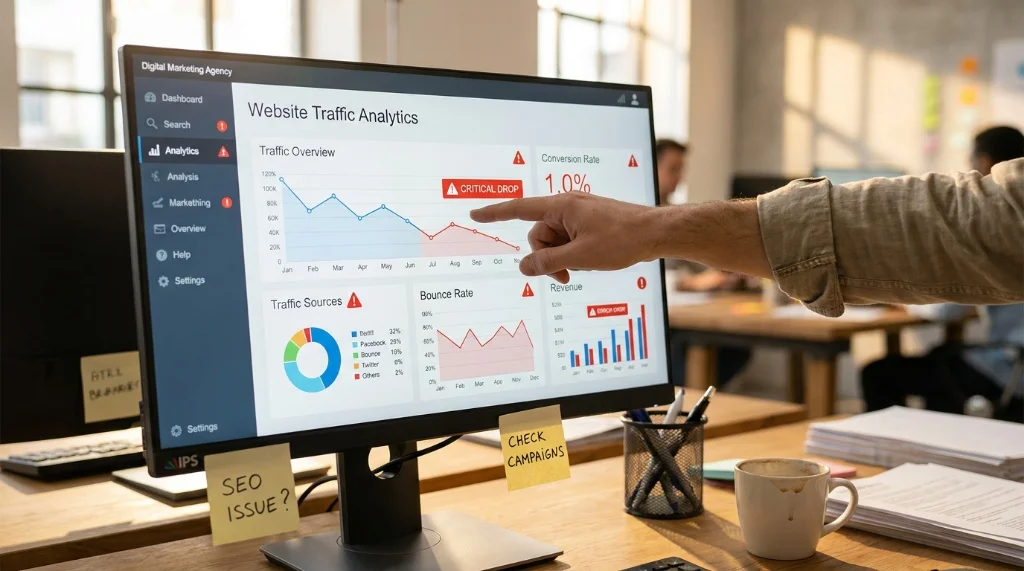
The problem is geographic displacement. If your restaurant is located in Wynwood, a viral video that reaches 40,000 teenagers in the Midwest and 10,000 people in Europe generates zero revenue. Vanity metrics do not pay commercial rent. In the restaurant business, you do not just need attention; you need localized attention.
Instagram is no longer just a chronological photo-sharing app; it is a highly sophisticated local search engine. Diners are actively using the platform’s search bar to decide where they are going to eat tonight.
If you want to turn digital traffic into guaranteed reservations, you have to stop posting blindly and start engineering your metadata. At Cr3ative Growth, we build the digital ecosystems that keep Miami’s top dining rooms fully booked. Here is the exact geotag and hashtag strategy required to capture high-intent local diners.
1. The Geotag Hierarchy: Why Tagging “Miami” is a Mistake
When you upload a post or a Reel, the most common instinct is to geotag the broadest possible location: Miami, Florida.
This is a strategic error. The “Miami” location tag is oversaturated with millions of posts from tourists, influencers, and unrelated businesses. Your content gets buried in seconds. To capture intent, you must understand how locals and high-end tourists navigate the city. They search by micro-neighborhoods and landmarks.
The Micro-Geotag Rotation Strategy: Instead of using one broad tag, you must rotate your geotags based on the target demographic of the specific post:
-
The Neighborhood Tag: Use exact districts like Brickell, Miami Design District, Wynwood Art District, or Coconut Grove. This captures users who are currently in that area looking for an immediate dining option.
-
The Proximity Tag: Tag major corporate buildings, luxury hotels, or event centers nearby (e.g., Brickell City Centre or Kaseya Center). If concert-goers are checking the Kaseya Center geotag for event info, your pre-game happy hour Reel will intercept them.
-
Your Owned Tag: You must also consistently claim and tag your own exact Google Business location so that when users click on your restaurant name, they see a curated map of user-generated content from past guests.
2. Hashtags in 2026: From Spam to Search Engine Optimization
Five years ago, restaurants would copy and paste a block of thirty generic hashtags (#foodie, #yummy, #miamifood) into their captions. Today, Instagram’s algorithm actively penalizes this as spam.
Hashtags are now used by the algorithm as Semantic Indexers. They tell Instagram exactly what your content is about so it can serve it to the right search queries. You should use no more than 5 to 8 highly targeted hashtags per post, structured around Search Intent.
The Intent-Based Hashtag Formula:
-
Category Tags: What exactly are you? (#MiamiSteakhouse, #WynwoodTacos, #BrickellRooftop)
-
Vibe/Occasion Tags: Why should they come? (#MiamiDateNight, #MiamiBusinessLunch, #MiamiSundayBrunch)
-
Menu Specifics: What is the visual hook? (#WagyuBeef, #CraftCocktailsMiami)
When a user types “Brickell date night spots” into the Instagram search bar, the algorithm scans your caption, your micro-geotags, and your semantic hashtags to instantly deliver your Reel to the top of their screen.
3. Auditing the “Discovery to Reservation” Pipeline
Driving localized traffic to your Instagram profile is only step one. Step two is removing the friction required to actually book a table.
We frequently audit restaurant profiles that have incredible content but force the user to jump through hoops to make a reservation. If a hungry user has to leave the app, open Safari, Google your name, find your website, and navigate to a slow-loading reservation page, they will bounce.
The Frictionless Booking Infrastructure:
-
Link-in-Bio Analytics: Your Instagram bio should not have a messy, broken URL. You must utilize clean, direct tracking links. Constantly auditing tracking links in your bio ensures that you are accurately measuring how many clicks translate into confirmed reservations through your OpenTable, Resy, or SevenRooms integrations.
-
Action Buttons: Ensure your Instagram Business Profile has the native “Reserve” button activated, linking directly to your backend software.
-
Story Highlights as Sales Funnels: Do not just pin random photos to your highlights. Structure them as a conversion funnel: Menu, Interior/Vibe, Happy Hour, and Book Now (with a direct swipe-up tracking link).
4. The Collaborative Geotagging Loop
Instagram’s “Collaborator” feature is one of the most powerful tools for local growth. When you host a local food influencer, a Miami lifestyle brand, or a corporate event, do not just ask them to tag you in the caption.
Send an official Collaborator Request. This publishes the post simultaneously on both their feed and yours, merging your audiences. When you combine their local follower base with your optimized micro-geotags and intent-based hashtags, you create an algorithmic spike that drastically increases your local visibility and drives immediate bookings.
The Cr3ativeGrowth Standard: Turn Attention into Revenue
In a culinary landscape as dense and competitive as South Florida, hoping that a pretty photo will organically fill your tables is no longer a viable business model. You need a systematized approach to digital distribution.
At Cr3ativeGrowth, we do not just manage social media; we engineer hospitality revenue engines. From building multi-channel reporting structures to executing high-retention video production that dominates local search, we build the digital infrastructure that makes your restaurant the only logical choice for dinner tonight.